Picture two candidates with an interview at Xero the same week. Both are good. Both did their homework. Only one walks out with an offer, and the reason has nothing to do with talent.
Start with Daniel. He tightened his CV first, one bullet at a time, with CV Canvas. Then the Xero interview landed in his calendar and he did what most people skip. He pressed the binoculars in the chat bar and asked Careersy AI to research the company properly.
What came back was not a Wikipedia paragraph. It was a chaptered, sourced report: where Xero is heading, how it actually hires, what its engineers work on, real employee sentiment from the last six months, and one chapter on the company's AI posture. That chapter is where it turned. Xero is pushing to move from recording financial data to acting on it, its own assistant now handles routine finance workflows, and its engineering teams build with AI coding tools day to day. Daniel had spent a project two years ago wiring up exactly that kind of automated workflow and had filed it away as unremarkable. It was the most relevant thing on his CV for this job, and he had not known it.
Here is the part that used to disappear. Careersy AI kept that report. Three days later Daniel opened a fresh chat to prep, and his coach already knew what the research found, cited it, and told him the date he ran it. No re-pasting, no lost tab. He walked in able to connect his own experience to where Xero is actually going, in the company's own language. That is the thing that gets remembered after you leave.
Now the other candidate. Call him Marcus. He prepared too, read the careers page, skimmed the last press release, arrived on time and composed. He just never found the one thread that would have made his background land, because he did not know it was there to look for. He answered the questions well and left forgettable. The gap between the two was not effort. Marcus didn't know what he didn't know.
What shipped
Two things, working together.
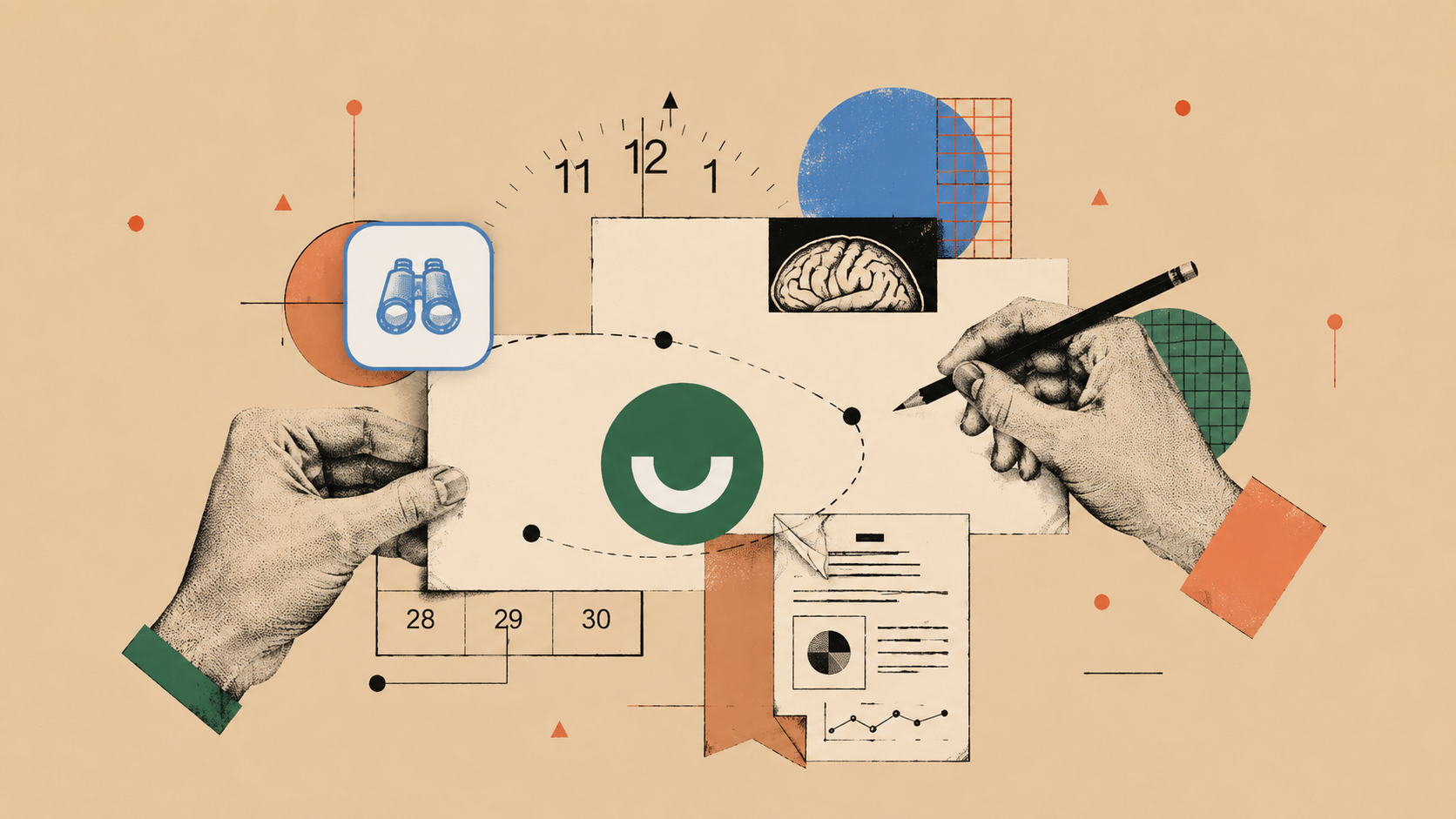
Deep Research is the binoculars button in the chat bar. Ask about a company, a role, or the person interviewing you, and Careersy AI goes out to the live web and comes back with a chaptered, sourced report. Recent coverage, what employees say, where the company stands on AI, what a specific role involves and where it can take you.
The Research Library is where every report is kept, automatically and privately, so your later chats can use it. Your research compounds instead of evaporating the moment you close the tab.
What you can point it at
Daniel used it on a company, which is just one of many. Ask it to research:
- A company you are interviewing at. Where it is heading, its real AI posture, what the team you would join actually owns. The thing that makes you sound like you already work there.
- A specific role. What the job does day to day and where it leads, so you chase the right role instead of the right title.
- The person interviewing you. A hiring manager's background and likely angle, from public information, so their questions do not catch you flat.
- The real culture, not the careers-page version. What employees have actually said in the last six months, including the parts a company would rather you did not raise.
- The interview process itself. The stages a company tends to run, so you walk in knowing what is coming instead of guessing.
- Compensation for your level and market. A real benchmark to anchor the offer conversation, instead of a number you half-remember from a forum.
Every one of those becomes a saved report your coach can pull back later. That is the thread Marcus never found, waiting for you before you are in the room.
The part most tools get wrong
Here is the recruiter-side truth about research: stale prep is worse than no prep. I have watched candidates confidently quote a company fact from eighteen months ago to a hiring manager who lived through why it changed.
So the library expires on purpose. Research about a person stops being used after 30 days, everything else after 90. Your coach will never build next week's prep on findings old enough to embarrass you. Run the research again and the library updates.
And it is private in the plainest sense. Your reports are yours alone, never pooled, never used for anyone else's answers. The library follows your existing memory settings: turn memory off and nothing is saved or read. Temporary chats never save research at all.
Try it
Pick the next role you actually want. Press the binoculars and ask for research on the company. Then open a fresh chat tomorrow and ask how to prep for the interview. Watch what your coach already knows, and find the thread you would have missed.
FAQ
What should I research about a company before an interview?
Recent coverage, what the company shipped in the last six months, employee reviews from the last half year, and where it stands on AI. That last one is a question more interviewers are asking in 2026. Deep Research in Careersy AI pulls all four into one sourced report.
Can AI research a hiring manager or interviewer?
Yes, from public information: their background, what they have written or said publicly, and their likely angle on the role. Careersy AI keeps person research for 30 days only, because people and roles move fast and stale facts about a person are the fastest way to lose a room.
Can AI tell me what a role actually involves?
Yes. Ask Deep Research about a specific role and it returns what the job does day to day, the skills it leans on, and where it tends to lead. Useful before you apply, so you are chasing the right role and not just a title that looks good.
Does Careersy AI remember my research?
Yes. Every Deep Research report is saved to your private Research Library and surfaced automatically in later conversations when it is relevant, with the date it was researched. You can see every saved report in Careersy Studio and remove any of them with one click.
Is my research shared with other users?
No. Your library is yours alone. Reports are never pooled into a shared knowledge base and never inform another user's answers. Memory off means nothing is saved or read, and temporary chats never save research.